
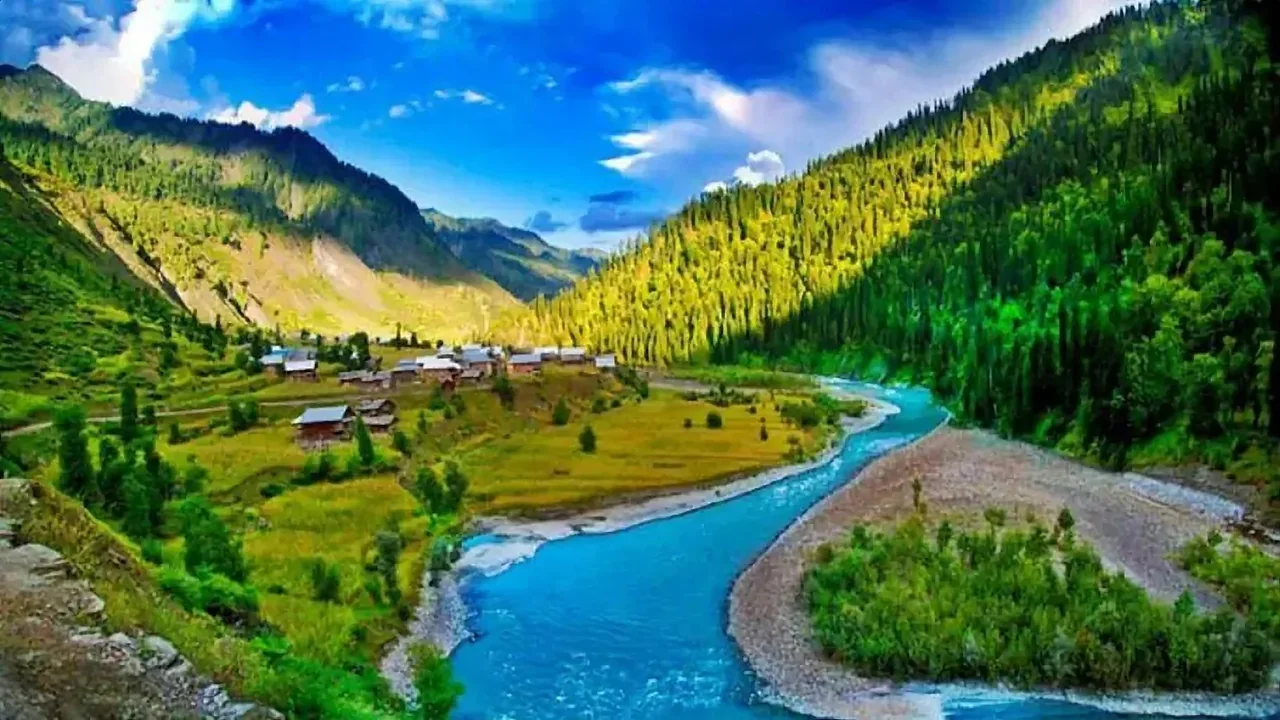
Every summer, thousands of families leave the plains of Pakistan and drive north into the Kaghan Valley, and it is not hard to see why. Pine forests climb the slopes, the Kunhar River rushes over boulders in a cold blue rush, and at the head of the valley a high glacial lake called Saif-ul-Muluk reflects the snowy peak of Malika Parbat like a mirror. Add cool air, trout dinners and a road that climbs all the way to Babusar Pass, and Naran and Kaghan become one of the most complete short mountain trips in the country.
The valley lies in the Mansehra district of Khyber Pakhtunkhwa, and it can be reached from Islamabad in a long day's drive. This guide covers the sights, the seasons and the practical details that make a trip smooth.
Balakot, Kaghan and Shogran
The journey begins at Balakot, the gateway town at the foot of the valley, from where the road follows the Kunhar River upstream. Kaghan village, about halfway along, is a pleasant stop with riverside restaurants and hotels. A side road from Kiwai leads up to Shogran, a green plateau at about 2,300 metres, and beyond it to Siri and Paye, two meadows famous for their views of Makra Peak and for the jeep ride that leads to them. Shogran is a lovely place for a night or two if you want a quieter alternative to Naran's busy bazaar.
Naran: the valley's hub
Naran, at around 2,400 metres, is the main tourist base, with dozens of hotels, restaurants and shops strung out along the river. The town can be crowded in July and August, but it makes a comfortable base for excursions, with good food and easy access to the higher lakes. Take an evening stroll along the riverside to watch the light change on the mountains and to sample grilled trout, chapli kebabs and hot tea.
Lake Saif-ul-Muluk
The star of the valley is Saif-ul-Muluk, a lake at roughly 3,200 metres that sits beneath the snow-covered face of Malika Parbat, which rises to over 5,000 metres. A legend passed down for generations tells of Prince Saif-ul-Muluk, who fell in love with a fairy princess named Badri-ul-Jamala beside this lake, and it adds a layer of romance to the already dramatic scene. Whatever you believe about the story, the setting is unforgettable.
The road from Naran to the lake is short, but rough, and jeeps do the job for about an hour. You can also walk if you have the energy. Once there, explore the shoreline, take a boat ride if the weather allows, or simply sit and watch the light play on the water. The lake is at its most beautiful early in the morning, when the surface is calm and the mountain is clear. By afternoon, clouds often gather over the peak, so start your day early.
Lulusar, Dudipatsar and Babusar
Farther up the valley, the road passes Lake Lulusar, a large blue lake that is the source of the Kunhar River. A little beyond, Dudipatsar Lake sits high in the mountains and requires a proper trek of several hours from the road, but rewards hikers with a milky-green lake surrounded by snow. The road then climbs to Babusar Pass at over 4,100 metres, the high point of the journey, from where you can look down toward Gilgit-Baltistan and, on a clear day, see the distant tip of Nanga Parbat. The pass is generally open only in summer, from around June to September, depending on snowfall.
Lalazar and Ansoo Lake
For more adventurous visitors, Lalazar Plateau offers wide alpine meadows and close mountain views, reachable by jeep from Naran. Ansoo Lake, shaped like a teardrop, is a more demanding trek and best attempted with a guide. Both are outside the normal tourist circuit, which is part of their appeal.
When to go
The main season runs from around late May or June through September. Before that, snow may block the upper valley, and after that the cold and early snow can close roads. July and August are the busiest months and prices rise sharply, so if you can, choose late June or early September for a calmer visit. The weather at altitude can change quickly, and even in high summer nights are cold, so bring warm clothing.
Getting there
From Islamabad, the drive to Naran takes around seven to eight hours via Abbottabad, Mansehra and Balakot, depending on traffic and road conditions. The road is generally good, but landslides and construction can cause delays, especially after heavy rain. Public buses and shared vans serve the route, but a private car with a driver who knows the mountain roads is more comfortable and flexible. Start early in the day and avoid driving at night.
Where to eat and stay
Naran has hotels for every budget, from simple rooms to comfortable resorts on the riverbank. During peak season, book ahead. Trout is the local specialty, usually fried whole and served with naan and salad, and you will find it at most riverside restaurants. Try a cup of kashmiri chai on a cold evening, and do not skip the fresh fruit sold along the roads.
Tips for a smooth trip
Check road and weather updates before you set out, and be prepared for delays. Use only registered jeep operators for the rough tracks and agree on prices before you start. Carry cash, since ATMs can be scarce. Take a warm layer and a rain jacket, and remember that the sun at altitude is strong, so sunscreen and sunglasses are worth packing. Keep the valley clean by taking rubbish with you.
If you would like your Kaghan trip organised end to end, our packages handle transport, hotels and guides. Have questions about dates or routes? Reach out to us and we will help you plan.