
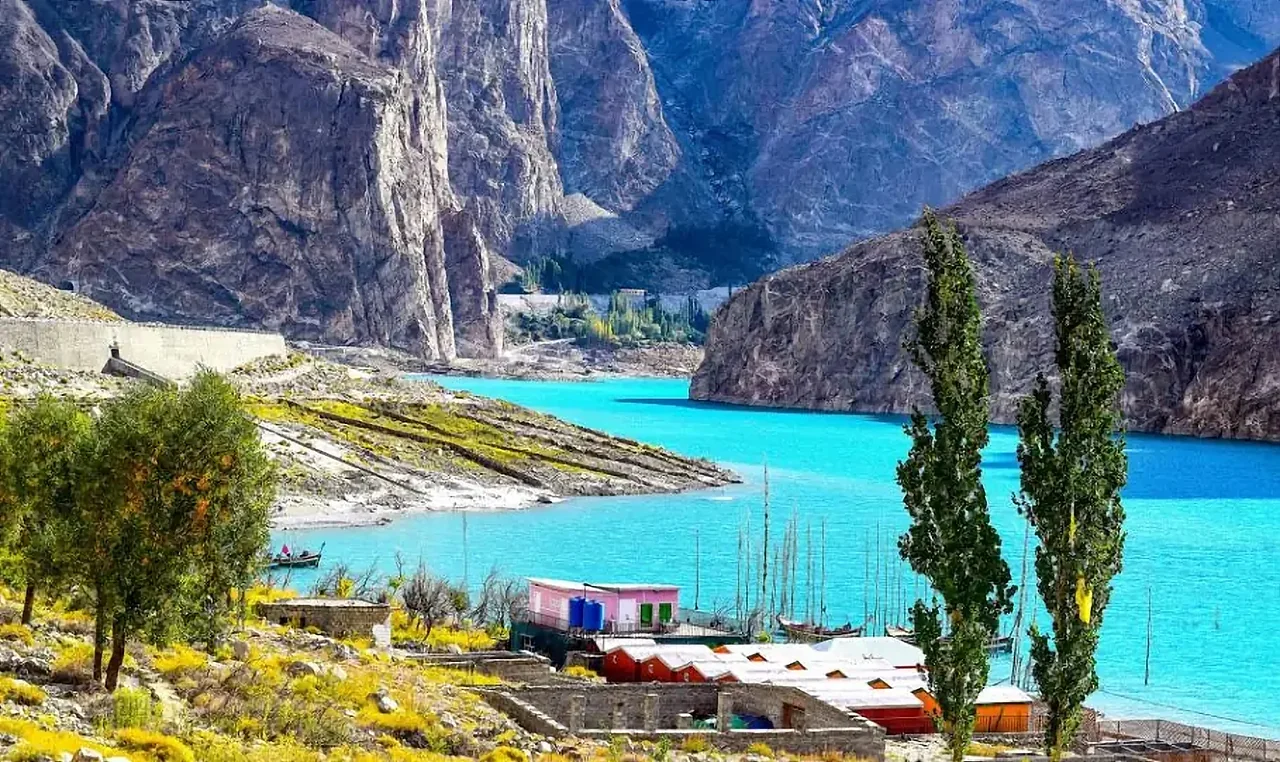
If Hunza is Pakistan's most graceful valley, Skardu is its most dramatic. The town sits in Baltistan, at the meeting point of the Indus River and the Shigar, ringed by mountains that feel close enough to touch. It is the gateway to some of the greatest peaks on earth, including K2, which at 8,611 metres is the second highest mountain in the world, and it is surrounded by lakes, forts, cold deserts and the astonishing high plateau of Deosai. Even travelers who never intend to trek a step find that Skardu is worth the journey.
The region has a character all its own. Balti culture blends Tibetan-influenced heritage, centuries of Islamic tradition and a hard-won mountain resilience, and it shows in the architecture, the food and the way people talk about their valleys. This guide covers the places we send almost every visitor, plus a few quieter spots for those with extra days.
Shangrila and the Kachura Lakes
The most famous stop near Skardu is Lower Kachura Lake, where the Shangrila Resort sits beside deep-blue water with mountains reflected in it. The red-roofed cottages in the gardens have become one of the icons of Pakistani tourism. A short drive farther on, Upper Kachura Lake is quieter and wilder, ideal for a slow walk along the shore or a picnic without the crowds. Go in the early morning if you can, when the water is still and the light is soft. Summer afternoons can get busy with day-trippers.
Deosai National Park: the Land of Giants
Deosai is the reason many people come to Skardu. This is one of the highest plateaus in the world, sitting at an average elevation of over 4,000 metres, and for a few short months each year it is carpeted in wildflowers. The name is often translated as "Land of Giants" in local tradition, and standing on the open plain with snow peaks in every direction, you can see why. The park protects the Himalayan brown bear, along with marmots, red foxes and many bird species.
Sheosar Lake, near the middle of the plateau, is the centrepiece, a wide, still lake at around 4,100 metres that reflects the sky. Bring a warm jacket even in July, because the wind is strong and the weather can change in minutes. The park is normally accessible only in the summer season, roughly from June to September, and snow closes the road for the rest of the year. Since the altitude is high, take it slowly, drink water and give yourself a day in Skardu to acclimatise first.
Shigar Fort and the valley beyond
An hour or so from Skardu, the Shigar Valley is a broad green corridor with the Karakoram rising behind it. The centrepiece is Shigar Fort, also known as Fong-Khar, the "Palace on the Rock", a centuries-old fortress that has been restored and converted into a heritage guesthouse and museum. Its carved wooden balconies, stone courtyards and quiet gardens make it one of the most atmospheric places to stay or have tea in the north. Beyond Shigar the road leads toward Askole, the last village before the trek to K2 Base Camp.
Khaplu Palace and the Ghanche valley
East of Skardu, along the Shyok River, lies Khaplu. Its star attraction is the Khaplu Palace, also called Yabgo Khar, the former home of the ruling family, restored with the help of the Aga Khan Trust for Culture and now open as a heritage hotel. Local wood carving, balconied verandas and mountain views make it a beautiful base for a night or two. Nearby, the Chaqchan Mosque, believed to be among the oldest mosques in the region, shows a distinctive blend of Tibetan and Central Asian architectural styles.
Cold Desert and Manthal Buddha Rock
Just outside Skardu, Katpana Cold Desert is a strange and beautiful stretch of sand dunes surrounded by snow-capped peaks. In winter, when everything is dusted with snow, the contrast is stunning. Not far from the town is the Manthal Buddha Rock, a carved rock face with an ancient image of the Buddha, a reminder that Baltistan was once a strong Buddhist land long before Islam arrived. Together they make an easy half-day of sightseeing that most visitors love.
Satpara Lake and the road to K2
Satpara Lake, a short drive from town, supplies water and power to the region and offers pleasant boating and views of the mountains. It also serves as the road to Deosai, so many visitors pass it on the way. Serious trekkers use Skardu as a starting point for expeditions to K2 Base Camp and Concordia, the meeting place of the great Baltoro glaciers, which require permits, experienced guides and weeks of preparation. If that kind of adventure appeals, plan it far in advance and travel with an operator who knows the terrain.
Getting to Skardu
There are two main ways to reach Skardu. Flights from Islamabad take roughly an hour and offer some of the best mountain views of any short flight in the world, but they depend heavily on the weather and are often delayed or cancelled. The alternative is the road through Gilgit and along the Indus, a scenic but long journey of two days or more. If you fly, leave a buffer day in your itinerary in case of delays.
When to visit
The best window is from May to October. Late spring brings blossoms in the lower valleys, while July and August are the peak season for Deosai's wildflowers. September and October are calmer, with clearer skies and golden leaves. Winter can be extremely cold, and some roads close, but the snowy landscapes have their own quiet beauty for those willing to brave it.
Food and lodging
Try local dishes such as balay, a bread eaten with butter and tea, and trout from the streams. Salted butter tea is worth tasting at least once. Skardu offers everything from simple guesthouses to comfortable hotels, and you can also stay in heritage properties at Shigar and Khaplu for a truly memorable evening.
Ready to see Skardu for yourself? Browse our tour packages or contact us and we will design a route around your dates, your pace and your interests.