
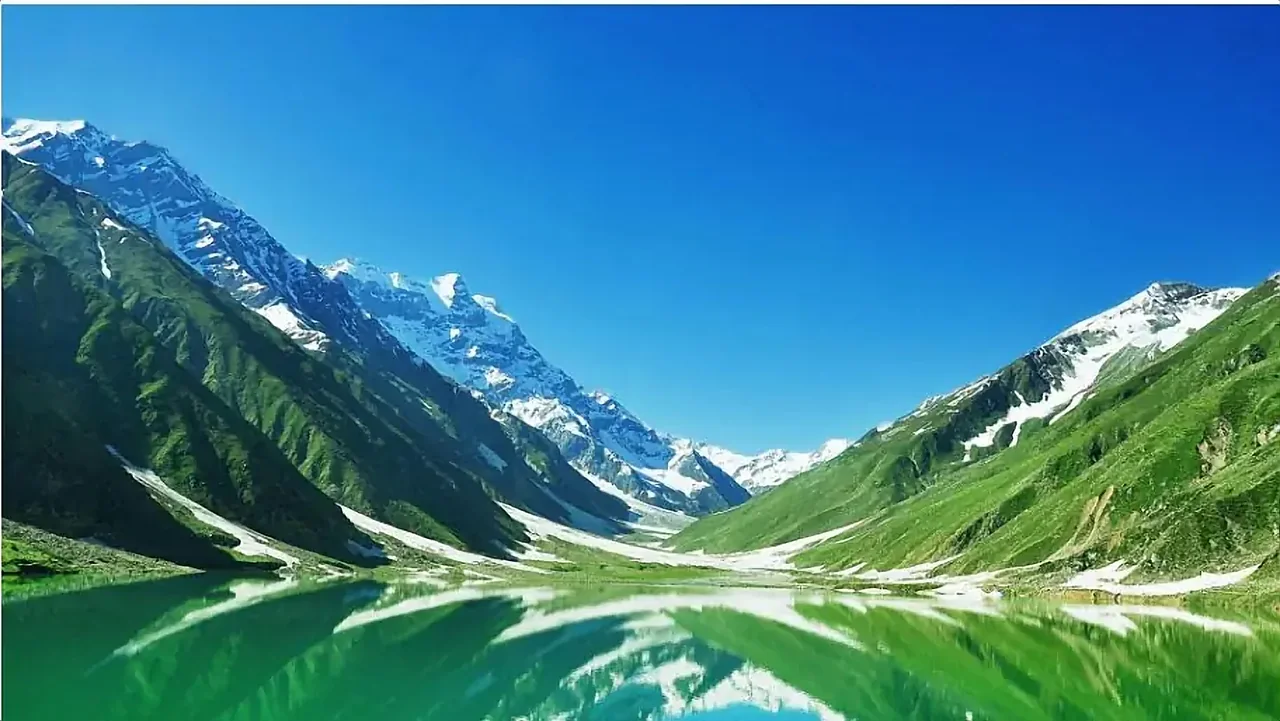
Attabad Lake did not exist before January 2010. In a matter of minutes, a massive landslide near the village of Attabad in Hunza collapsed a mountainside into the valley, damming the Hunza River and burying part of the Karakoram Highway. Over the following months the water rose behind the natural dam, submerging villages, farmland and a stretch of the region's main road, and creating one of the most striking lakes in Pakistan. What began as a disaster has, over the years, become one of the north's most photographed destinations, its water an almost unreal shade of turquoise against the bare brown mountains around it.
Today Attabad Lake sits along the Karakoram Highway between Karimabad and Gulmit, and it is impossible to miss. The road once ran straight through the valley; now it passes through a series of tunnels built along the lake's edge, with viewpoints along the way where nearly every vehicle stops.
The colour of the water
The lake's colour shifts through the day and the season, from deep jade in the morning to a bright, almost electric turquoise in full sun. This comes from fine glacial sediment suspended in the water, the same effect that colours many high-altitude lakes in the Karakoram and Himalaya. Photographers chase the middle of the day for the brightest blue, while early morning and late afternoon give softer, more painterly tones.
Boating and the shoreline
Small motorboats and, in places, jet skis operate along the lake, offering short rides out toward the centre of the water with mountains rising on every side. Vendors along the shore sell tea, snacks and grilled corn, and a scattering of simple restaurants and guesthouses have grown up around the main viewpoint. For a quieter experience, walk a little further along the shore away from the main parking area, where the crowds thin out and the water is just as striking.
What the lake covers
Beneath the surface lie the remains of the old highway and parts of several villages, a reminder that the lake's beauty was born from real loss. Some of the affected communities were resettled, and the story of the landslide is still told by drivers and guides who pass the site daily. It is worth taking a moment to appreciate not just the view but the history behind it, a rare case of a major natural disaster reshaping a landscape into something that now draws visitors from around the world.
Getting there
Attabad Lake lies on the main Karakoram Highway route north from Islamabad, reached via Gilgit and Karimabad. Most visitors see it as a stop on the way to or from Hunza's other sights, rather than a standalone destination, since the journey up the valley naturally passes right beside it. If you are travelling from Karimabad, the drive takes under an hour; from Gilgit, allow two to three hours depending on road conditions.
Best time to visit
Late spring through early autumn, roughly April to October, offers the clearest views and the most comfortable weather. Summer days are warm and the water at its brightest, while autumn brings golden poplar trees along parts of the shoreline that contrast beautifully with the blue water. Winter is much colder, and while the lake remains striking under snow-dusted peaks, some boating operations reduce their hours.
Practical tips
Bring sunglasses and a hat, since the reflection off the water is strong at midday. Life jackets are generally provided for boat rides, but ask to confirm before you go out. Prices for boat trips are usually negotiable and vary by season, so it helps to check with more than one operator. There are no ATMs directly at the lake, so carry cash for boat rides and snacks.
Combine it with the rest of Hunza
Attabad Lake works best as part of a wider Hunza itinerary rather than a trip on its own. Pair it with Karimabad's forts, the Eagle's Nest viewpoint, and the drive further north to Passu and Khunjerab Pass, and you will have covered the full arc of what makes upper Hunza so remarkable. Most travelers stop here for an hour or two, enough time for photographs, a boat ride and a cup of tea by the water, before continuing their journey.
Photography and sightseeing tips
Because the lake sits directly on the main highway, it is easy to underestimate how much time it deserves. Many drivers stop only for a quick photo from the roadside viewpoint and move on, missing the chance to walk down to the water's edge, where the colour and scale of the lake feel far more dramatic than from the road above. If you have a drone and appropriate permissions, aerial shots of the lake against the surrounding cliffs are particularly striking, though always check current regulations before flying in this region. For those without a drone, the higher sections of road just before and after the tunnels offer some of the best elevated views, letting you frame the full length of the turquoise water against the brown mountains behind it. Evening light, in the hour before sunset, often produces the richest colour contrast between the water and the surrounding rock, worth timing your visit around if photography is a priority.
To see Attabad Lake as part of a full Hunza trip, browse our tour packages, or contact us to build a route around your dates.